Article: Kilim, gabbeh or knotted rug? How to choose

Kilim, gabbeh or knotted rug? How to choose
All three are made by hand, in weaving towns such as Sirjan, Shiraz, Tabriz and Qom. But a kilim, a gabbeh and a hand-knotted Persian rug are made in different ways, feel different underfoot and suit different rooms. Here is how to tell them apart and choose.
Kilim: flat-woven, no pile
A kilim is woven flat. There is no knotted pile, so the design is formed by the weave itself. That makes a kilim thin, light and easy to move. Our kilims are handwoven in wool in Sirjan. See our handmade kilim rugs.
Gabbeh: a pile rug with simple, bold designs
A gabbeh has a knotted wool pile, so it is soft underfoot. Its designs are usually simpler and larger than those of a city carpet: open fields of colour, a few bold motifs. Because it has a pile, a gabbeh is not a kilim, even though the two names are often mixed up. Our gabbehs are handmade in wool in Shiraz. See our handmade gabbeh rugs.
Hand-knotted rug: the finest detail
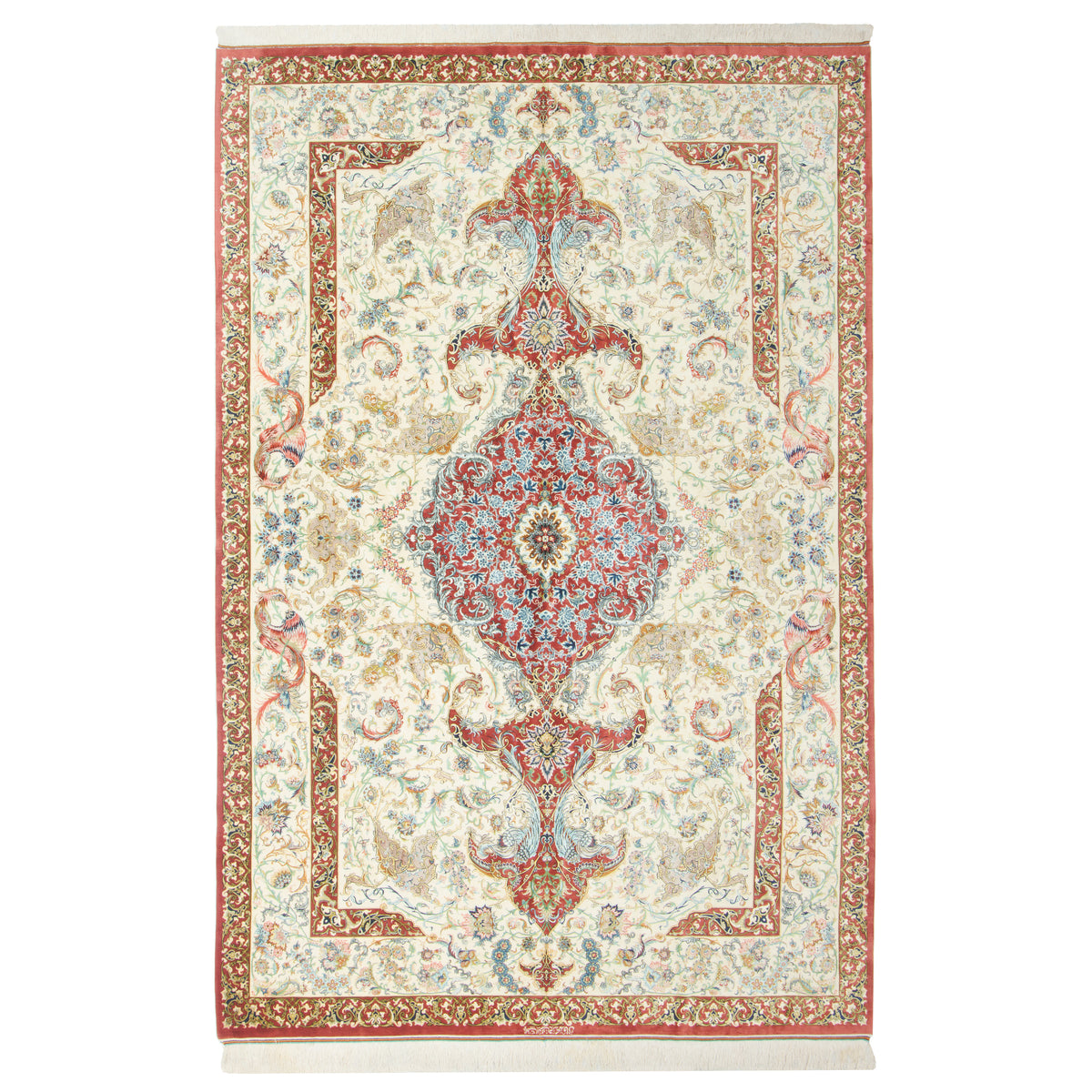
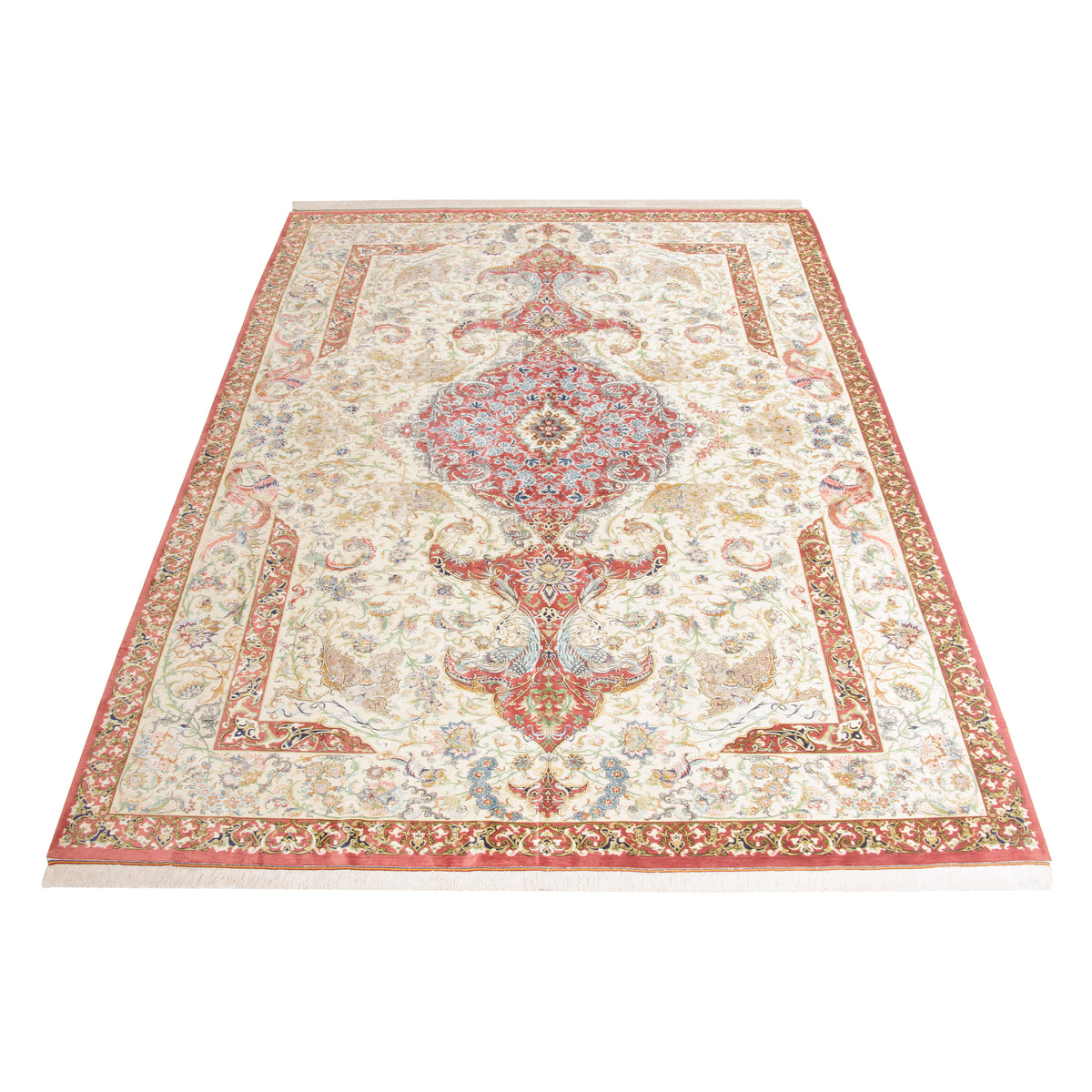
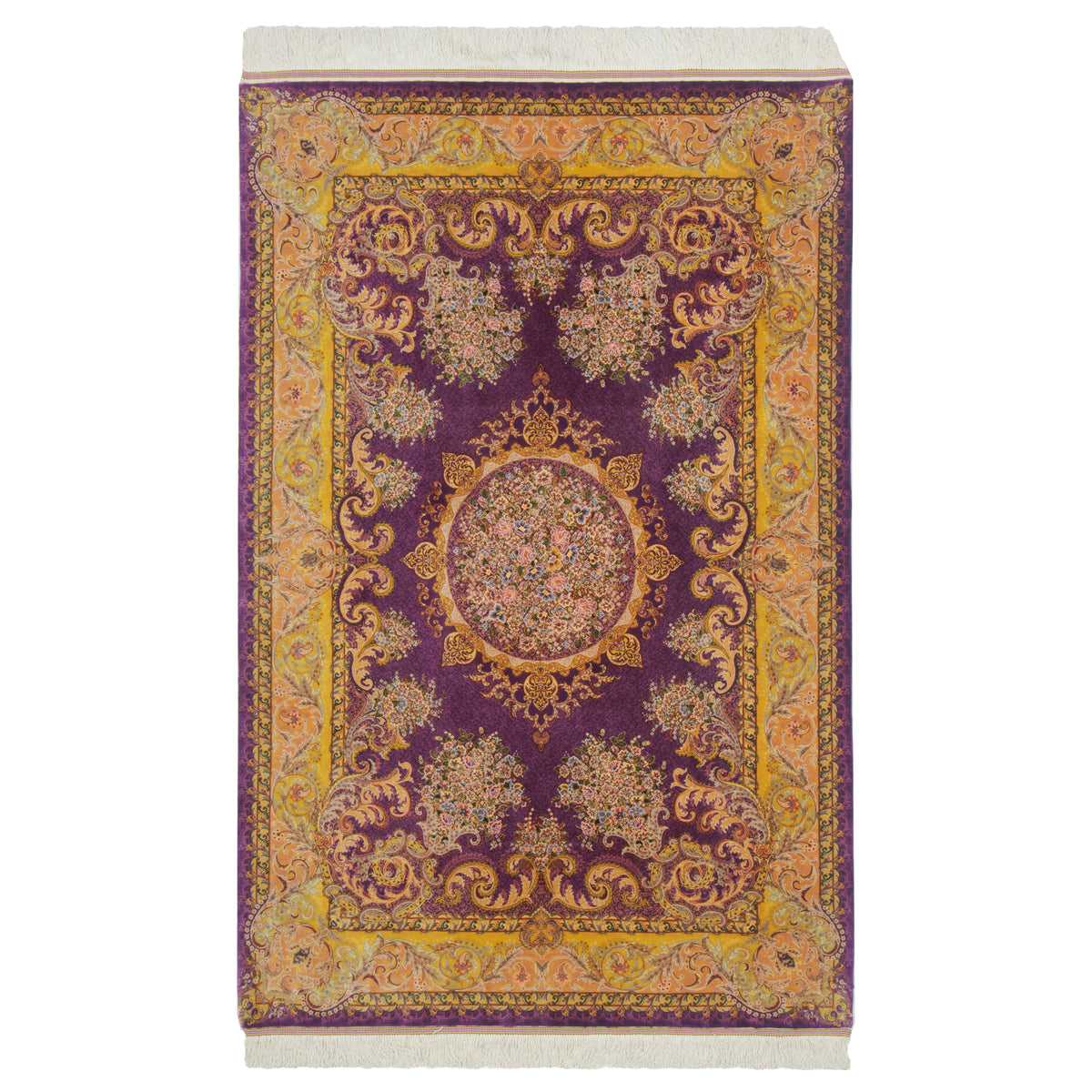
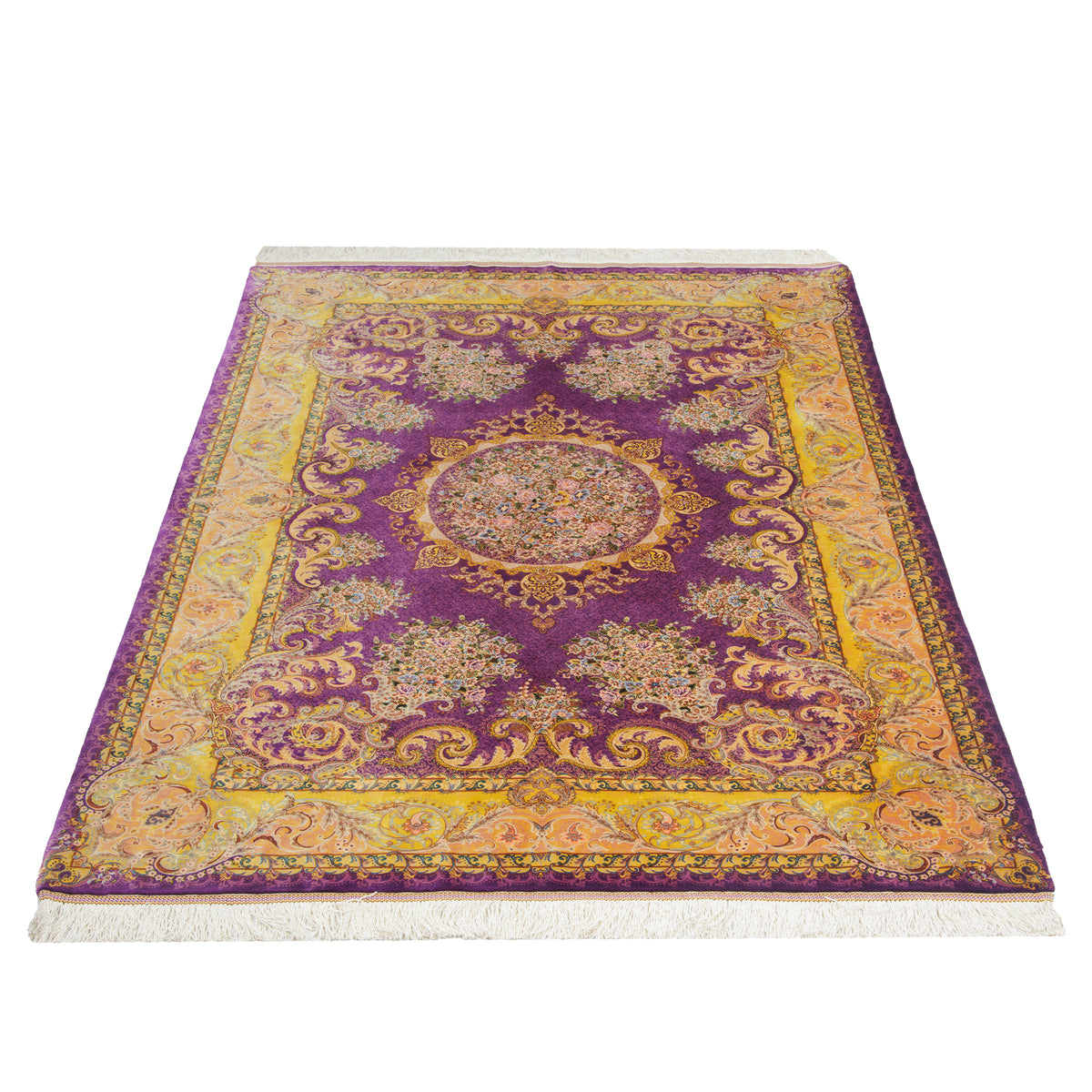
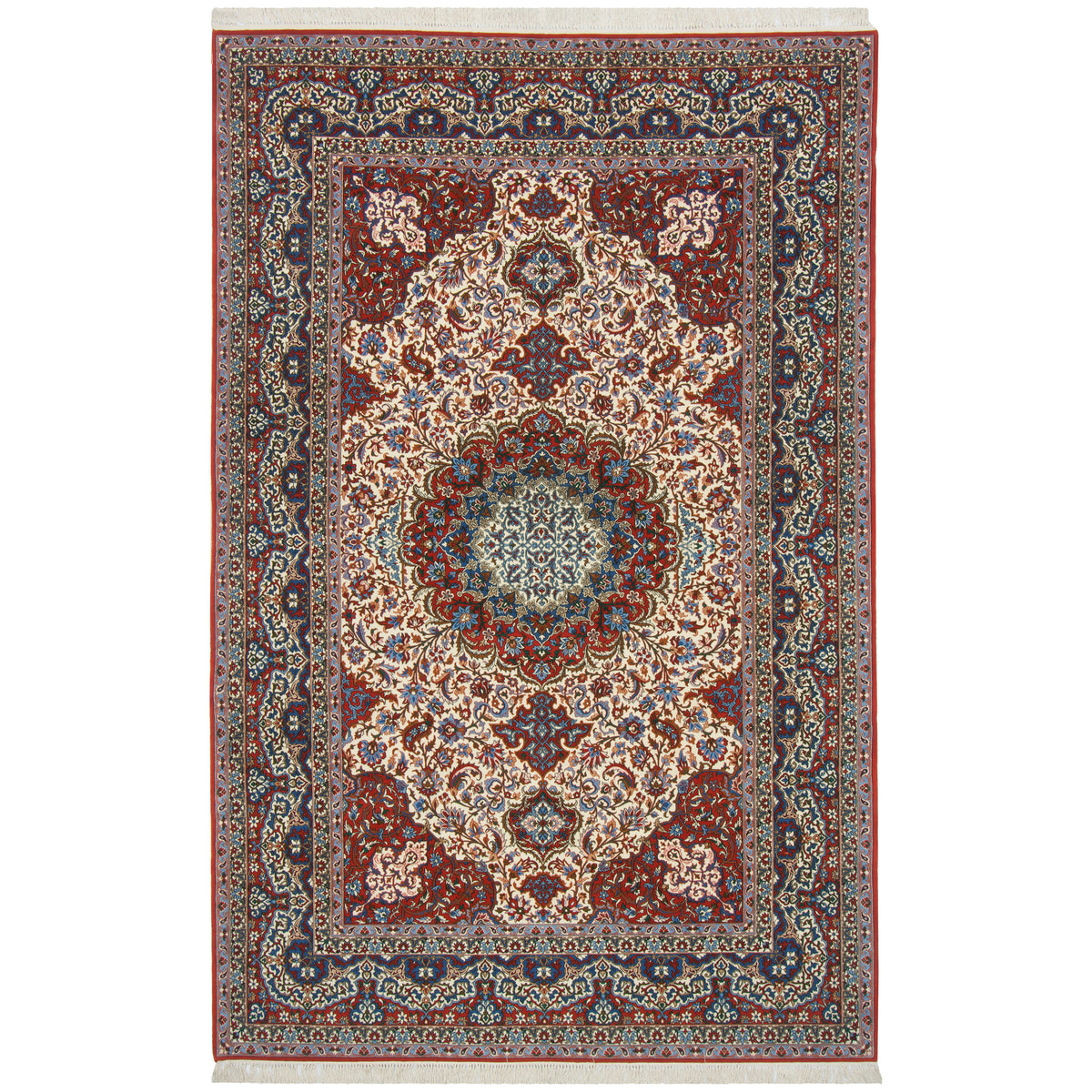
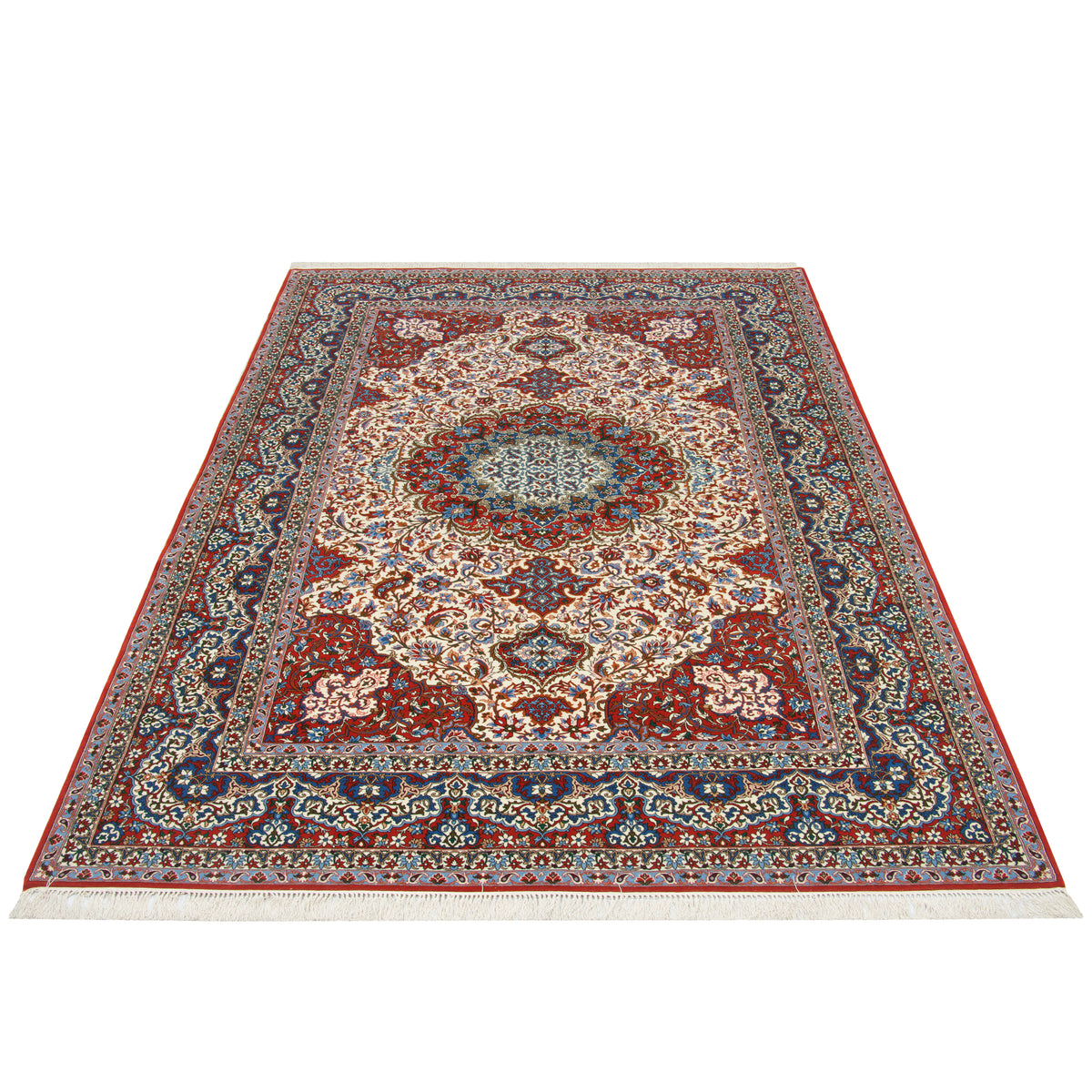
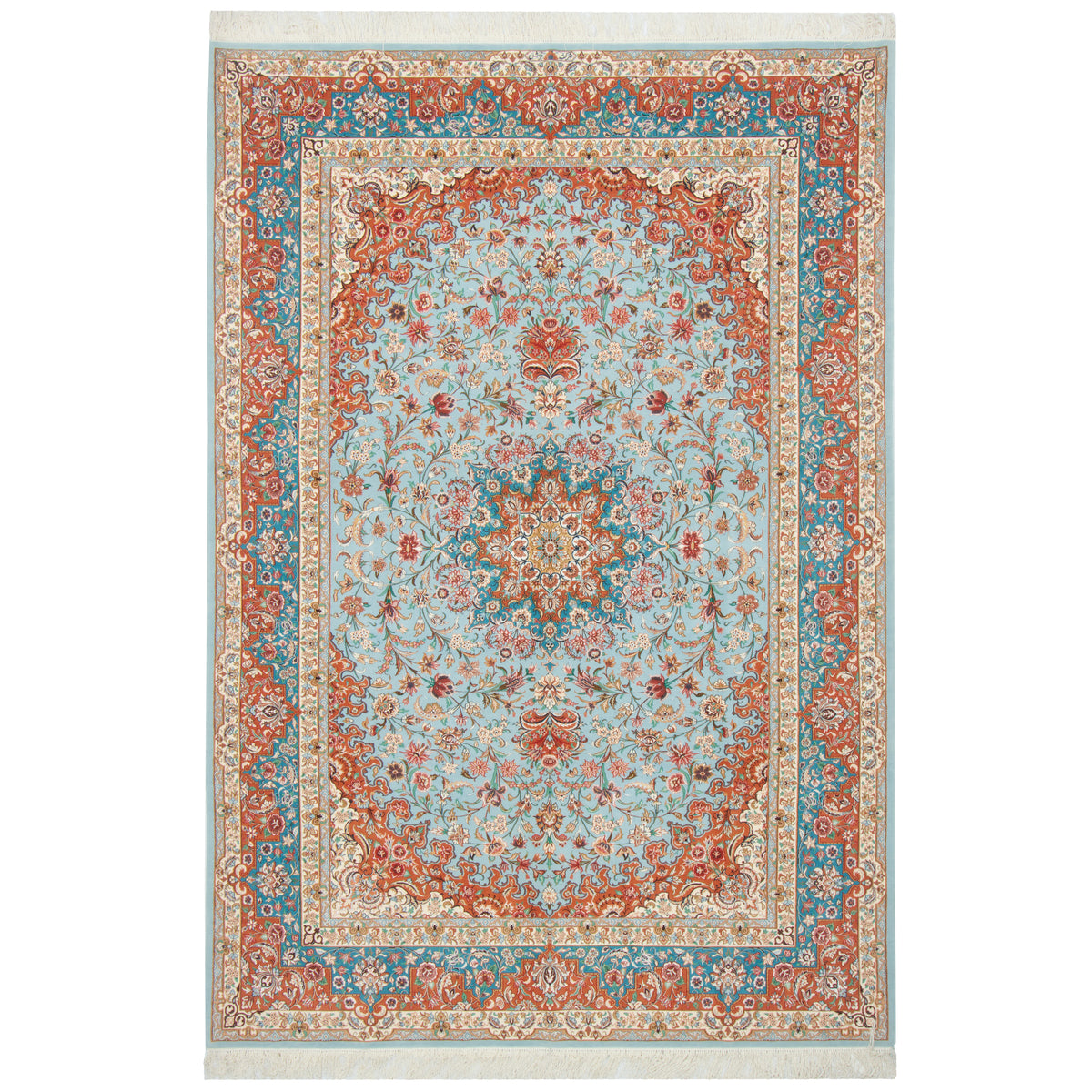
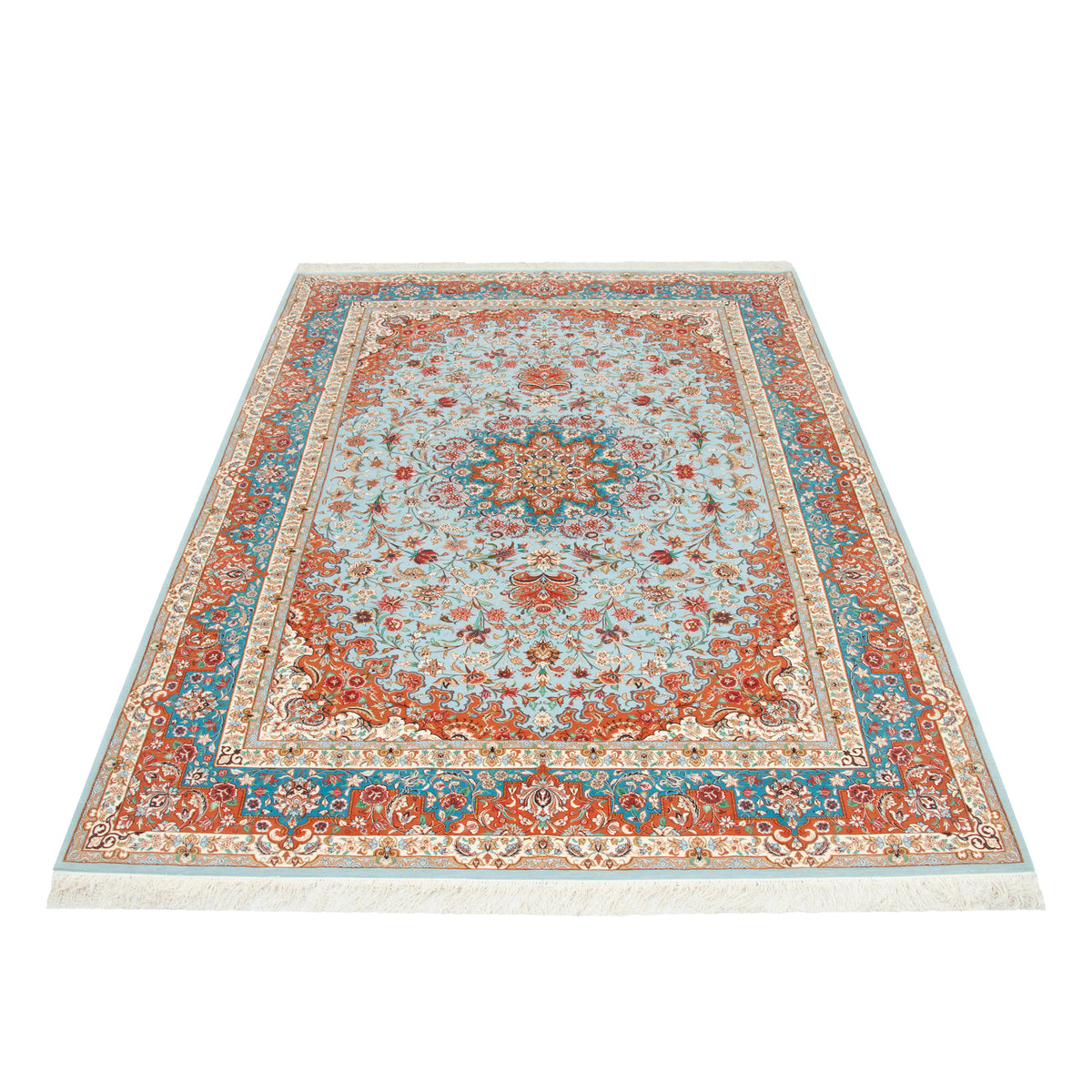
A hand-knotted carpet is built knot by knot on a loom, row after row, and the cut ends of the knots form the pile. More knots in the same space allow finer detail, which is how a Tabriz or Qom carpet carries curving designs a gabbeh never would. Read how a hand-knotted Persian carpet is woven and what raj (knot density) means. See our fine handmade Persian rugs.
Side by side
| Kilim | Gabbeh | Hand-knotted rug | |
|---|---|---|---|
| How it's made | Flat weave, no pile | Knotted wool pile | Knotted pile, often finer |
| Feel | Thin and light | Soft, deeper pile | From soft wool to fine silk |
| Designs | Geometric, woven into the flat surface | Simple, open, bold | From classic medallions to detailed all-over patterns |
| Our pieces | Wool, Sirjan | Wool, Shiraz | Tabriz, Kashan, Isfahan, Qom, Nain and more |
Which one for your room?
- A modern living room: a gabbeh's open designs sit easily with plain sofas and clean lines.
- A space you rearrange often: a kilim is thin and light, so it is easy to move.
- A formal sitting room, dining room or majlis: a hand-knotted Persian carpet gives the room a focal point. Choose wool for areas people walk through often; keep silk for quieter rooms.
- A wall: carpet wall art is woven to hang. See our carpet wall art.
Frequently asked questions
Is a gabbeh a kind of kilim?
No. A gabbeh has a knotted pile; a kilim is flat-woven with no pile. Run your hand over each and the difference is clear.
How do I look after a kilim or gabbeh?
Vacuum gently, blot spills with a dry white cloth and leave full washing to a professional. Our rug care and cleaning page explains how our workshop chooses the method by fibre and weave.
Can't decide? Send us a photo of your room and we'll suggest a kilim, a gabbeh and a knotted rug to compare: message us on WhatsApp. Or see them side by side at our showroom in Al Barsha 2, open daily 10 AM to 9 PM.